

I started meditating daily more than 5 years ago.
I haven’t been perfect with it, but I do it on most days.I usually meditate for 10 to 20 minutes. Occasionally, I’ll do longer sessions of 30 to 60 minutes.
Recently, I was reflecting on what I learned from meditating.
In this article, I want to share the 5 deeper and less common lessons I learned from meditating (almost) daily for 5 years. These aren’t the basic lessons like “less stress” or “slightly better focus” that almost everyone repeats. Let’s dive in.
1. You are not your thoughts
“You are not your thoughts; you are the awareness behind them.”
— Eckhart Tolle
Before I started meditating, I identified with my thoughts.
If a thought came up, I thought “I am thinking this.”
But it turns out that this isn’t the case.
You see, when I started doing mindfulness meditations I noticed that I could observe my thoughts.
I could observe them and even reject them or disagree with them.
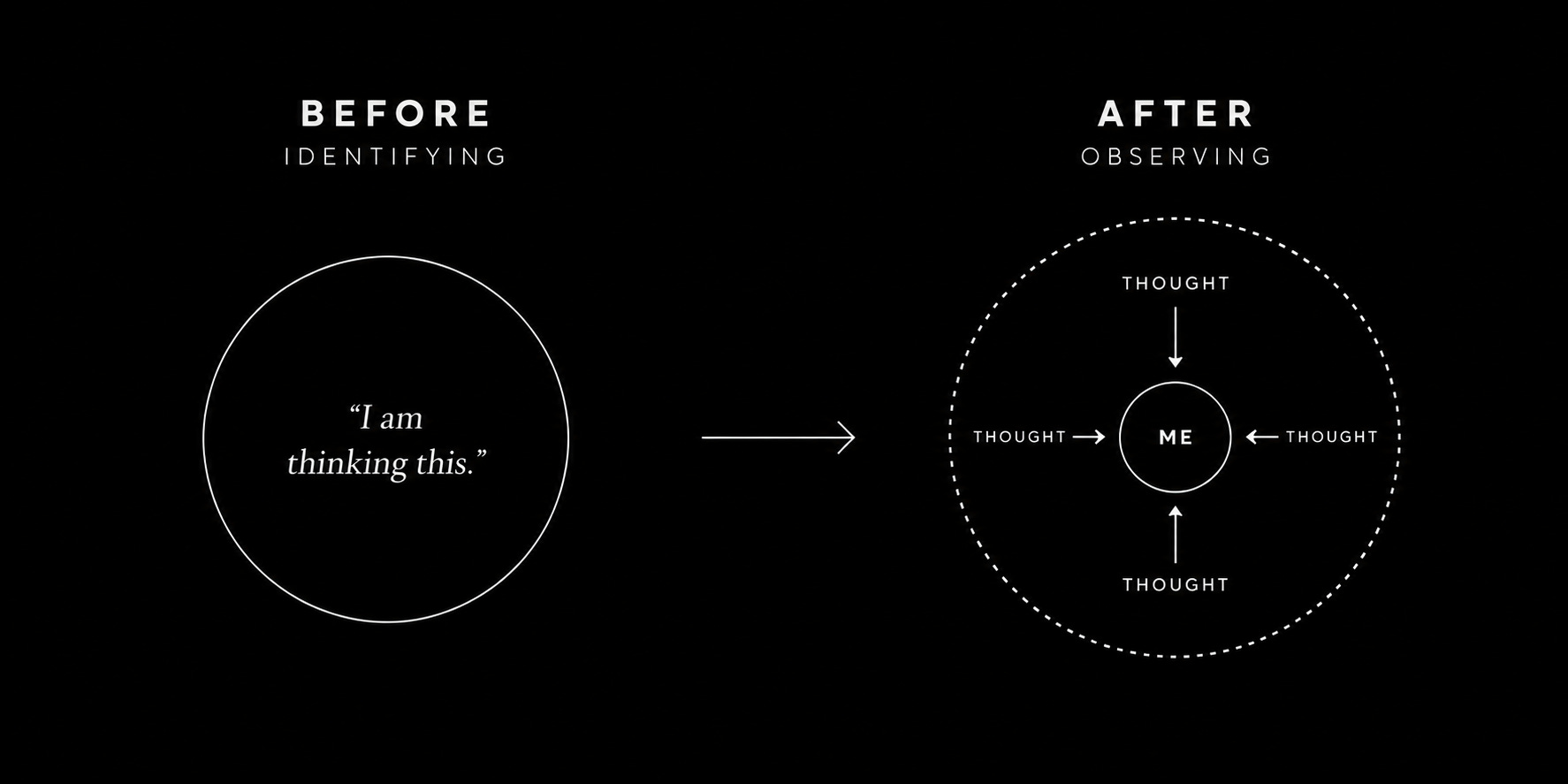
This taught me that you aren’t your thoughts.
You are the awareness that’s observing them.
You are not who you think you are.
You are the awareness that’s observing who you think you are.
2. Most of your suffering is self-created
“We suffer more often in imagination than in reality.”
— Seneca
Meditation also taught me that most of my suffering doesn’t come from what’s happening.
It comes from what I’m thinking about what’s happening.
Something happens once.
Then I replay it in my head 20 times.
I worry about what could happen next.
I imagine scenarios that will probably never happen.
I think about things I said years ago that nobody else remembers.
And every time I do this, I experience the problem again.
Because even when something only happens in your mind, the suffering it creates can feel just as real as something you experience in real life.
Meditation made me notice how often I was doing this.
When you bring your attention back to the present moment, most of those problems disappear.
The pain often comes from what you add to the experience or from what you fear might happen in the future.
An event can hurt you once. Your mind can hurt you a thousand times.
3. You can feel something without acting on it
“Between stimulus and response there is a space. In that space is our power to choose our response.”
— Viktor Frankl
Most people don’t respond, they react.
Reacting happens automatically.
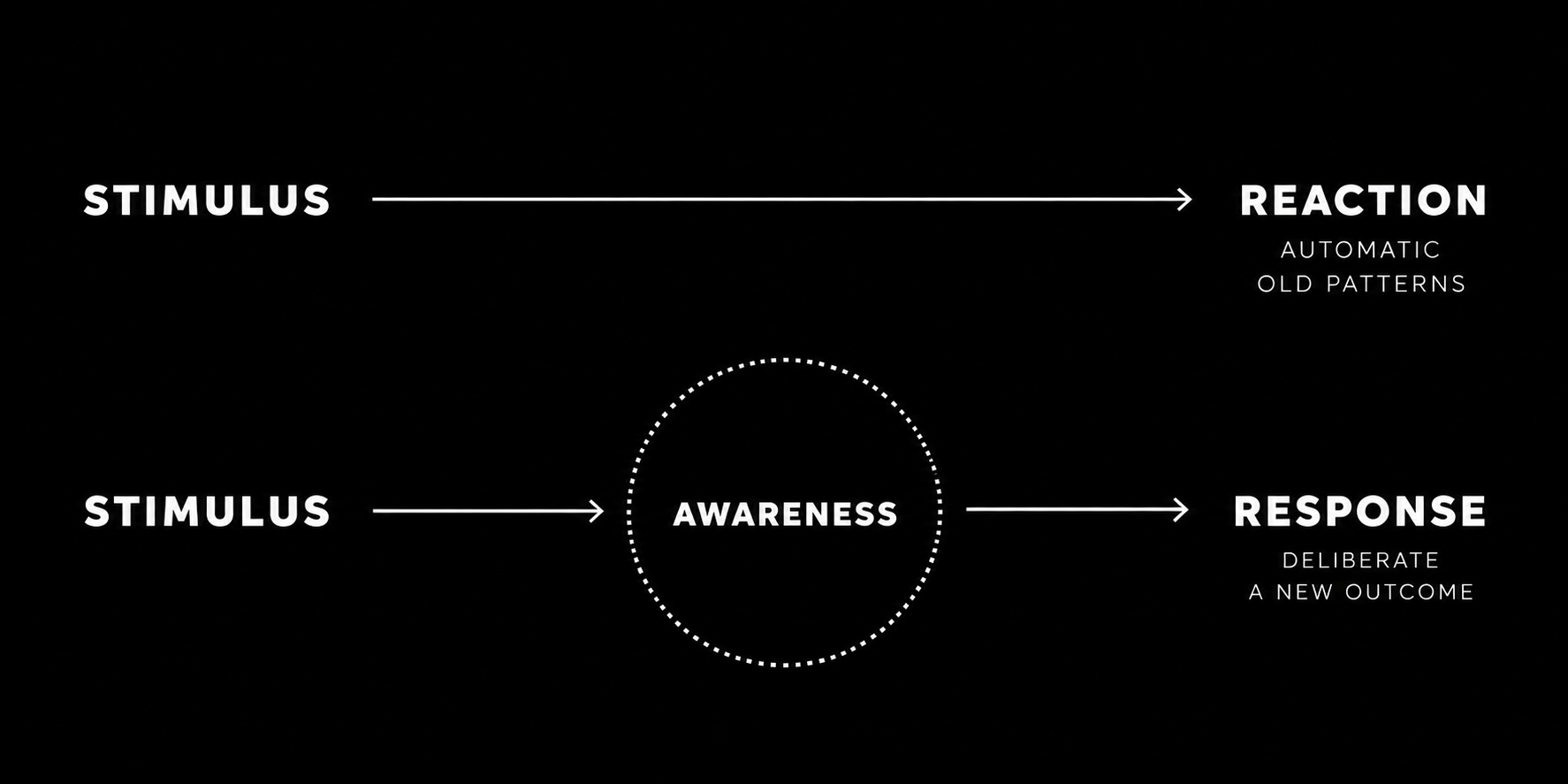
Responding takes effort because you need to become aware of what happens between a stimulus (something that happens) and your response.
That gives you the opportunity to choose what to do instead of reacting automatically.
Before I started meditating, I didn’t notice this space.
Something would happen and I would often react immediately.
You get criticized, so you get defensive.
You feel anxious, so you start worrying.
You get an urge, so you act on it.
It feels like one continuous process:
Stimulus → Reaction
But meditation taught me that there is something in between.
The more you practice observing what happens inside you, the better you get at choosing what you do next.
Then it becomes:
Stimulus → Awareness → Response
You can’t always choose what happens to you, but you can get better at choosing what you do next.
4. You rarely experience reality as it is
Most of the time, you aren’t experiencing reality directly.
You’re experiencing your interpretation of it.
Your mind is constantly adding something to what you experience.
You label things as good or bad.
You judge yourself and other people.
You compare what is to what you think should be.
You describe what’s happening instead of simply experiencing it.
Meditation made me realize how much thinking I add to reality.
When you meditate, you practice removing those layers.
Instead of thinking “that’s a bird singing,” you just hear the sound.
Instead of thinking “I’m uncomfortable,” you observe the physical sensation.
Instead of judging a thought as good or bad, you notice it and let it pass.
For a moment, you stop describing reality and start experiencing it.
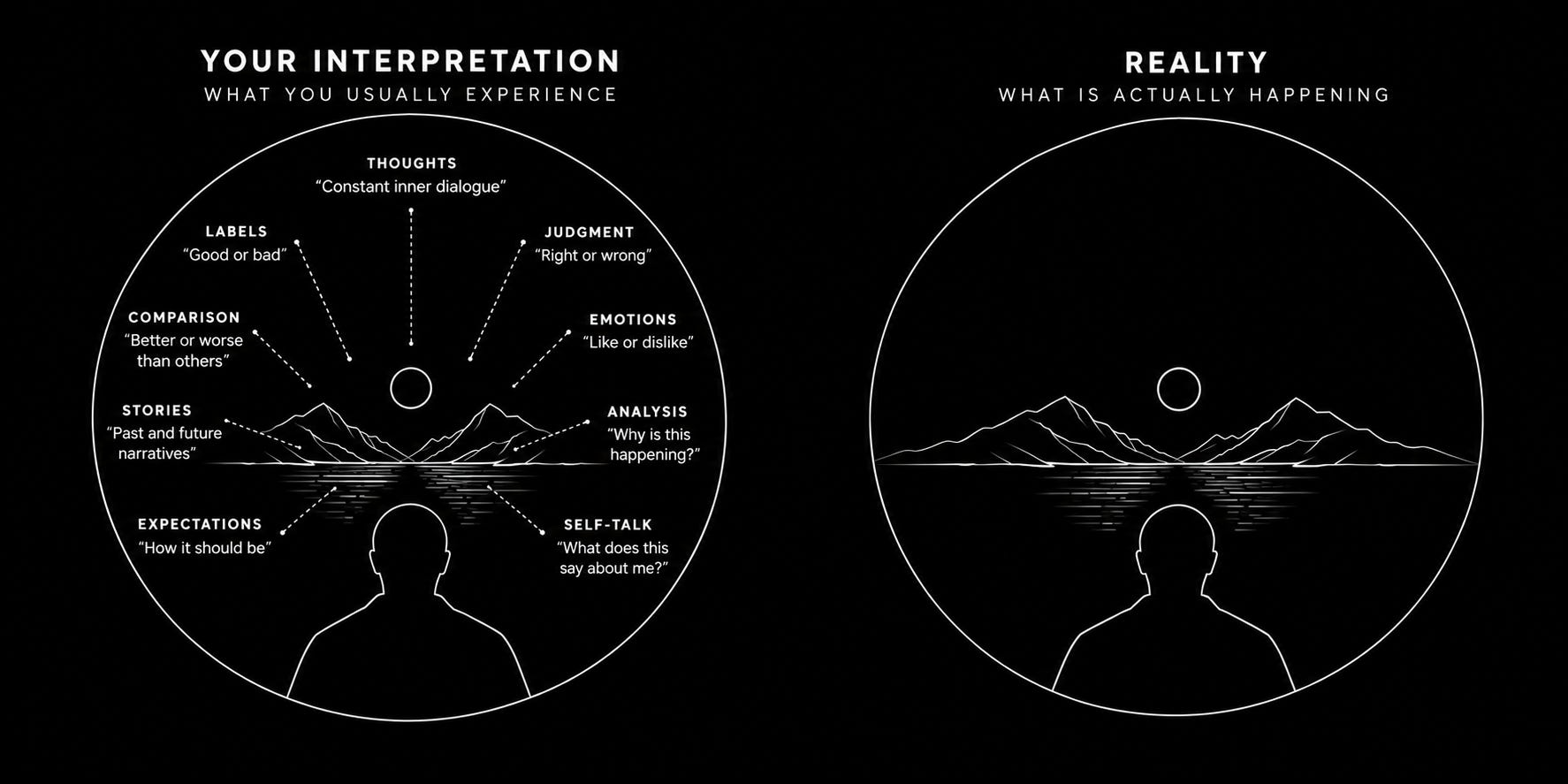
Reality vs your interpretation of it
Reality becomes more peaceful when you stop constantly thinking about it.
Because when you’re thinking, you’re always one thought away from reality.
The less you add to the present moment, the more clearly you experience it.
5. Getting distracted is part of meditation
“The moment you realize you are not present, you are present.”
— Eckhart Tolle
One of the most common things I hear people say about meditation is:
“I can’t meditate. I get distracted too easily.”
But getting distracted doesn’t mean you can’t meditate.
Getting distracted is a crucial part of meditation.
The point isn’t to never get distracted.
It’s to return to the present moment when you get distracted.
Your attention will wander. You’ll start thinking about work, what you’re going to eat later, or something that happened three years ago.
The practice is noticing that your attention wandered and bringing it back.
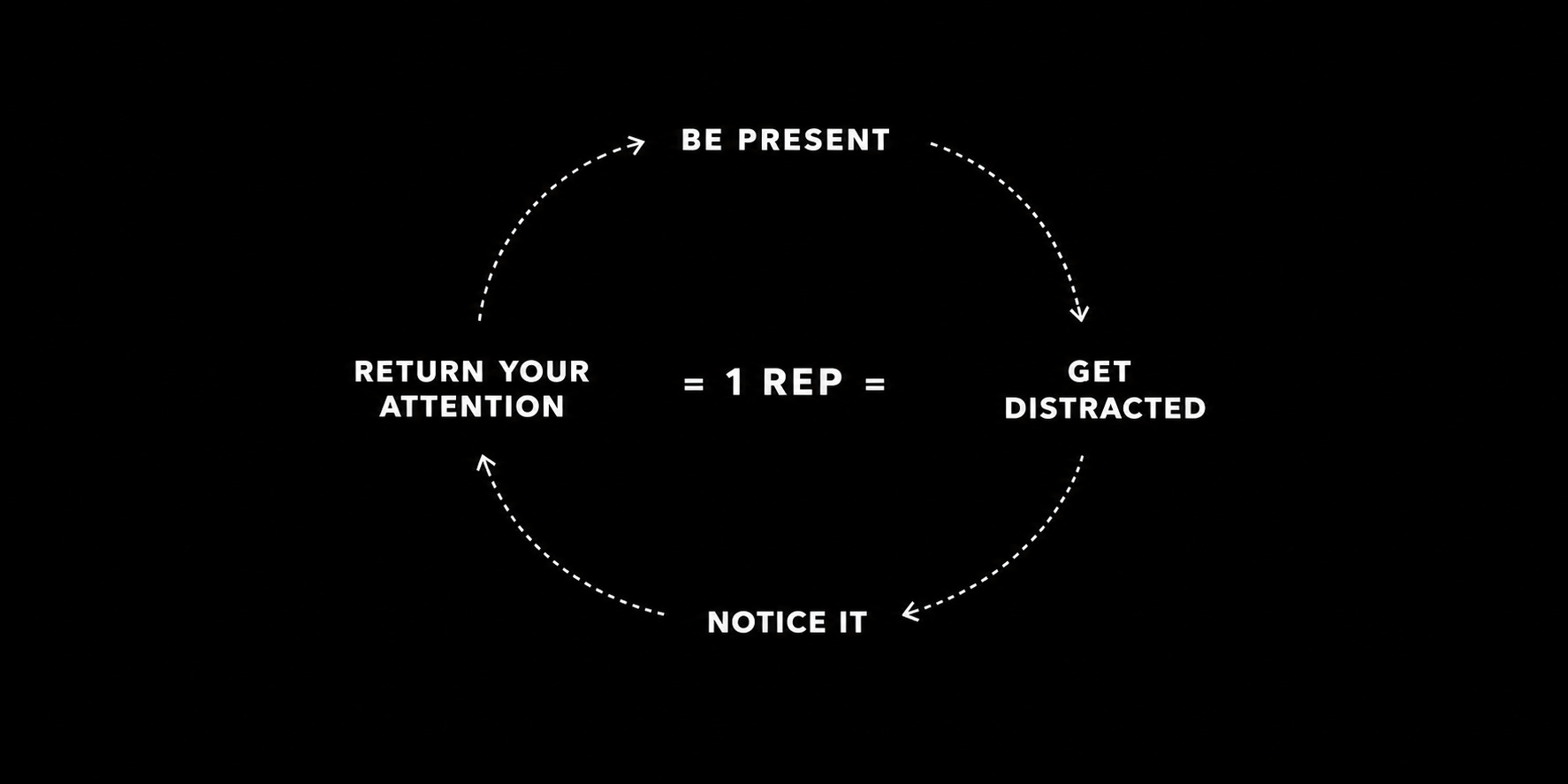
Think of it like training a muscle.
Every time you:
Get distracted → Notice it → Return your attention
You complete one rep.
This completely changed how I thought about meditation.
A session where you get distracted 20 times isn’t a bad meditation. It means you got 20 opportunities to practice bringing your attention back.
There are no bad meditations. Even if you get distracted constantly. If you notice it and bring your attention back, you still trained your attention.
Getting distracted isn’t the failure. Not practicing is.
In short
5 lessons from meditating for 5 years:
You are not your thoughts. You are the awareness observing them.
Most suffering is self-created. Your thoughts hurt you more often than reality does.
You don’t have to obey your initial feelings. Awareness gives you a choice to respond.
You rarely experience reality as it is. Thinking adds a layer between you and the present moment.
Getting distracted is part of the practice. Every time you return your attention, you get better.
I hope these lessons help you get more out of meditation.
If you found this useful, subscribe and like + restack it so it can help more people.
Talk to you in the next one.
Stijn
How I Can Help
1. Thread Mastery. Learn how to write viral threads for X and Threads.
2. X Growth System. Learn how to grow an audience on X and Threads with writing.
3. More Content. I backlog my best newsletters and articles on my website. I also turn them into videos. Click here to subscribe. You can also follow me on LinkedIn, 𝕏/Twitter, Instagram, and Threads for short daily lessons.